

Table of Contents
- Why Heavyweight Cotton Hoodies Beat Fast Fashion for Winter
- GSM Weight for Hoodies: What Actually Counts as Heavyweight
-
The 7 Best Heavyweight Cotton Hoodies for Winter
- 1. Attitudz Apparel, The Purpose-Driven Heavyweight
- 2. Camber 232, The Shrink-Resistant Workhorse
- 3. Arborwear Double Thick, Built Like a Coat
- 4. Danner 22oz, Maximum Fabric Density
- 5. 3Sixteen, The Premium Investment Piece
- 6. Carhartt Rain Defender, Winter Weather Protection
- 7. Frizmworks OG, The Streetwear Silhouette
- How to Wash Heavyweight Cotton Hoodies Without Shrinking Them
- Which Heavyweight Hoodie Should You Pick?
- Frequently Asked Questions
Last Updated: September 7, 2026
A heavyweight cotton hoodie is the single most reliable layer for surviving a cold winter without sacrificing style, but most options fall apart after a few washes or aren't thick enough to block the wind. The difference comes down to fabric density, construction methods, and honest material choices.
Why Heavyweight Cotton Hoodies Beat Fast Fashion for Winter
Fast fashion hoodies are built to a price, not to a standard. They typically use thin jersey or lightweight fleece that pills within months, and the cost per wear ends up higher than a quality garment you own for a decade.
What most guides get wrong is assuming any thick-looking sweatshirt qualifies. The reality is that garment construction matters as much as the raw material. Combed ringspun cotton, reinforced stitching, and a proper cotton face with a brushed interior all determine whether a hoodie feels like armor or like a cheap costume. The environmental argument matters too, since buying one durable garment instead of several disposable ones reduces textile waste, a point echoed by the Environmental Protection Agency's guide on sustainable textile management.
GSM Weight for Hoodies: What Actually Counts as Heavyweight
GSM weight for hoodies is the metric that separates real winter gear from glorified t-shirts. GSM stands for grams per square meter and measures fabric density directly. A standard cotton t-shirt sits around 150-180 GSM, while a typical midweight hoodie falls between 280-350 GSM (sewport.com).
Heavyweight cotton hoodies for winter start at roughly 400 GSM, and the most serious options push past 500 GSM. Ounce weight, the imperial equivalent, matters too: divide GSM by 33.91 to get ounces per square yard. A 22-ounce fabric translates to roughly 745 GSM. Terms like "3-end fleece" or "cross-knit" refer to the knitting technique that adds density and structure without making the garment stiff.
| Fabric Weight | GSM Range | Best Use |
|---|---|---|
| Lightweight | 150-250 GSM | Fall layering, indoor wear |
| Midweight | 280-350 GSM | Mild winter days, casual wear |
| Heavyweight | 400-500 GSM | Cold winter conditions, outdoor use |
| Ultra-Heavyweight | 500+ GSM | Extreme cold, workwear, insulation |
Beyond GSM: What the Number Doesn't Tell You
GSM tells you how much fabric weighs per square meter, but not how warm it will keep you. Two hoodies at identical 450 GSM can perform very differently in freezing wind.
Most marketing materials cite GSM alone because it is easy to measure and sounds impressive. The objective metric for warmth is thermal resistance, measured using a sweating guarded hotplate test (ASTM F1868) (astm.org). A typical midweight cotton hoodie measures around 0.7-0.9 clo; a true heavyweight hoodie in the 450-550 GSM range typically measures between 1.1 and 1.4 clo.
In practice, a 500 GSM hoodie provides meaningful insulation but is not a substitute for a proper winter coat below freezing when you are stationary. The dense cotton traps air between the loops of the fleece interior, and that trapped air, not the cotton fibers, does the insulating work.
Warmth-to-Weight Ratio: The Metric Most Guides Ignore
A more useful comparison than raw GSM is the warmth-to-weight ratio. A 500 GSM hoodie is roughly 25% warmer than a 400 GSM hoodie of identical construction, but it also weighs about 25% more.
This is why some outdoor brands blend in small percentages of synthetic fibers. A cotton-polyester blend can achieve a higher warmth-to-weight ratio because polyester fibers are slightly less thermally conductive and can be spun into loftier yarns. However, pure cotton remains the preferred choice for many because it breathes better and does not retain body odor the way synthetics do.
Wind Resistance and Air Permeability
A hidden weakness of heavyweight cotton is air permeability. Even a dense 500 GSM knit allows air to pass through more readily than a woven shell fabric. The standard measure is CFM (cubic feet per minute) of air passing through a square foot of fabric. A typical heavyweight cotton hoodie measures 20-40 CFM, while a windproof shell measures under 5 CFM.
For winter wear, this means a heavyweight cotton hoodie performs best as a midlayer under a shell, or as an outer layer on calm days. Some manufacturers add a thin membrane or DWR (durable water repellent) coating to reduce air permeability, but this also reduces breathability and can make the garment feel clammy during exertion.
How to Evaluate Thermal Claims Yourself
Since most brands do not publish clo values or CFM ratings, you can evaluate a hoodie's winter readiness with simple at-home checks. Hold the fabric up to a bright light; if you can see pinpoints of light through the knit, it is too breathable for serious winter use. Press the interior fleece against your cheek, the deeper the brush, the more air it traps.
The 7 Best Heavyweight Cotton Hoodies for Winter
We've selected several options that represent quality across durability, warmth, and fit. Attitudz Apparel offers true heavyweight construction with purpose-driven design that fits a modern, expressive lifestyle.
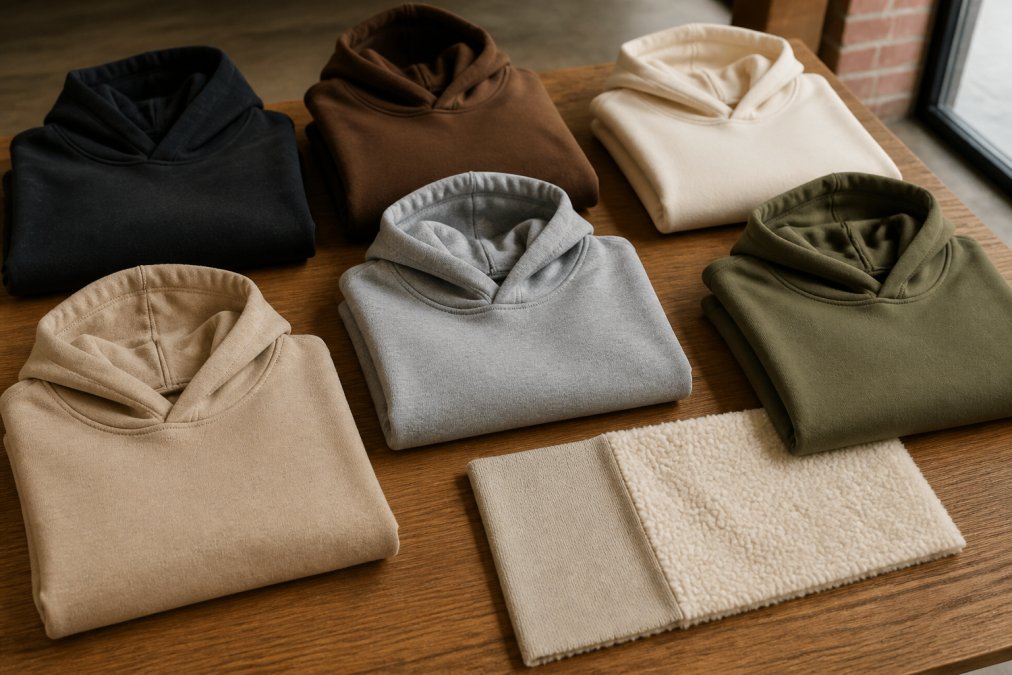
1. Attitudz Apparel, The Purpose-Driven Heavyweight
Attitudz Apparel offers premium heavyweight hoodies that use high-quality fleece and cotton materials designed to stand up to daily wear. The unisex oversized and heavyweight fits are designed for real layering, and free shipping on all U.S. orders makes it easy to try a new brand. Our messaging is crafted to be expressive without feeling preachy or cringey, allowing you to wear your values confidently.
2. Camber 232, The Shrink-Resistant Workhorse
Camber 232 is an iconic, American-made ultra-heavyweight hoodie known for its cross-knit fabric, which prevents the vertical shrinkage that ruins most cotton garments. The extra-heavyweight cotton blend and reinforced seams make it a favorite among people who need a hoodie that survives harsh winters and heavy use. The main drawback is limited availability.
3. Arborwear Double Thick, Built Like a Coat
The Arborwear Double Thick Pullover is exactly what its name suggests: a double-layered cotton fleece construction engineered to act as a primary winter coat. Vertical side panels improve mobility for outdoor work, and the deep, oversized hood provides real coverage. The tradeoff is weight and bulk; this is not a hoodie for casual indoor lounging.
4. Danner 22oz, Maximum Fabric Density
Danner's 22oz hoodie uses an unusually heavy 22.5-oz cotton material with a 3-end terry construction that delivers maximum fabric density. The reinforced kangaroo pocket and relaxed fit make it a practical, long-lasting choice for cold-weather layering. If you care about fabric weight above all else, this is one of the densest garments you can buy.
5. 3Sixteen, The Premium Investment Piece
3Sixteen builds a high-end heavyweight hoodie with custom-knit fabric developed specifically to age well. The heavy-duty ribbing and clean, minimalist design make it a wardrobe staple that looks better with wear. The premium price point reflects the superior fabric development. It is not the right choice for someone seeking an affordable beater hoodie.
6. Carhartt Rain Defender, Winter Weather Protection
Carhartt's Rain Defender Heavyweight Hoodie adds a durable water-repellent finish to a rugged cotton-polyester blend, making it the best choice for light rain and snow. The spacious kangaroo pocket includes a hidden security pocket, and the three-piece hood construction offers better coverage than standard designs. The fit is loose and boxy, which suits workwear but may not flatter a tailored silhouette.
7. Frizmworks OG, The Streetwear Silhouette
Frizmworks OG focuses on the modern, boxy oversized fit that streetwear enthusiasts demand. The high-density cotton fleece drapes well, and the durable ribbed hem and cuffs hold their shape through repeated wear. The oversized fit is the selling point, but it will not suit every body type, so check the size chart carefully before ordering.
How to Wash Heavyweight Cotton Hoodies Without Shrinking Them
Learning how to wash heavyweight cotton hoodies correctly is the difference between a garment that lasts a decade and one that shrinks two sizes after the first wash.
Wash in cold water, never hot, and turn the hoodie inside out to protect the exterior fabric and any printed design. Use a gentle cycle and a mild detergent, and skip the fabric softener, which breaks down cotton fibers over time. The dryer is the biggest enemy of heavyweight cotton. Air drying flat preserves the shape and prevents shrinkage, but if you must use a dryer, choose the lowest heat setting and remove the hoodie while it is still slightly damp.
Why Heavyweight Cotton Shrinks: The Mechanism Most Guides Skip
Shrinkage in heavyweight cotton is not a defect, it is a physical property of the fiber. Cotton fibers are composed of cellulose chains that absorb water and swell. During manufacturing, the yarn is spun and the fabric is knit under tension. When you wash the garment, water penetrates the fibers, the tension is released, and the fabric contracts.
The critical variable is heat. Cold water causes minimal fiber swelling, but hot water accelerates the relaxation process dramatically. This is why a single hot wash and high-heat dry can shrink a heavyweight hoodie by 5-8% in both length and width.
The Two Types of Shrinkage: Relaxation vs. Felting
Textile engineers distinguish between relaxation shrinkage and progressive shrinkage. Relaxation shrinkage happens in the first one to three washes, when the manufacturing tension releases. This is why many brands pre-shrink their fabrics before cutting and sewing.
Progressive shrinkage is the bigger threat. It happens over many wash and dry cycles, as each exposure to heat causes incremental contraction. A hoodie that fits perfectly after its first wash may be noticeably shorter after 20 washes if you consistently use warm water and machine drying.
Fit Retention: A Step-by-Step Protocol for Years of Wear
Most care guides stop at "wash cold, air dry." That advice is correct but incomplete. To preserve the fit over years, follow this protocol:
First wash (critical): Before the first wear, soak the hoodie in cold water with a capful of white vinegar for 30 minutes. The vinegar helps set the dye and removes excess sizing without harsh chemicals. Rinse thoroughly, then wash on a gentle cycle in cold water. Air dry flat. This allows most relaxation shrinkage to occur in a controlled way.
Subsequent washes: Wash inside out in cold water (below 60°F) on the gentlest cycle your machine offers. Use a detergent formulated for delicates or wool, which is pH-neutral and less aggressive on cotton fibers than standard detergents. Never use bleach or optical brighteners.
Drying strategy: Air drying flat is the gold standard. Lay the hoodie on a clean towel, reshape it to its original dimensions while damp, and let it dry away from direct sunlight. If you must use a dryer, set it to the lowest heat and remove the hoodie while it is still 10-15% damp. Then lay it flat to finish drying.
The stretching recovery technique: If a hoodie has already shrunk slightly, you can often recover some length. Soak it in lukewarm water with a capful of hair conditioner, then gently stretch it back to its original dimensions while wet. Pin the hem and cuffs in place if needed, and air dry flat. This works best within the first few washes.
Why Fabric Softener Is Counterproductive
Fabric softener coats cotton fibers with a thin layer of lubricating chemicals. This makes the fabric feel softer initially, but it also reduces the friction between fibers that gives the knit its structure. Over time, softener buildup can cause the fabric to lose its shape, stretch out in the shoulders, and pill more easily. Skip the softener entirely and use a half-cup of white vinegar in the rinse cycle instead.
Storage Matters More Than You Think
How you store a heavyweight hoodie between wears affects its long-term fit. Never hang it on a standard hanger, the weight of the fabric stretches the shoulders and creates permanent bumps at the hanger points. Fold it and store it on a shelf or in a drawer.
For seasonal storage, fold the hoodie with acid-free tissue paper between the folds to prevent crease lines. Store it in a breathable cotton garment bag, not a plastic bin, which can trap moisture and promote mildew growth in humid climates.
The single most important habit for heavyweight cotton longevity is consistent cold-water washing and flat drying. A 500 GSM hoodie that is cared for properly will retain its fit and structure for 5-10 years. The same hoodie washed in warm water and machine dried will be noticeably shorter, stiffer, and less comfortable within 10-15 washes. The effort is minimal; the payoff is a garment that still fits like the day you bought it.
Which Heavyweight Hoodie Should You Pick?
The right heavyweight cotton hoodie for winter depends on your primary use case. For everyday wear with expressive design and a comfortable oversized fit, Attitudz Apparel offers a compelling option. If you need maximum durability for outdoor labor, other brands may offer suitable choices.
| Hoodie | Best For | Key Strength |
|---|---|---|
| Attitudz Apparel | Everyday style with purpose | Premium fit and meaningful design |
| Camber 232 | Extreme durability | Shrink-resistant cross-knit fabric |
| Arborwear Double Thick | Outdoor winter work | Double-layer thermal insulation |
| Danner 22oz | Maximum fabric density | 22.5-oz heavyweight cotton |
| 3Sixteen | Long-term investment | Custom-knit fabric that ages well |
| Carhartt Rain Defender | Wet weather | Water-repellent finish |
| Frizmworks OG | Modern streetwear | Boxy oversized silhouette |
Body type matters more than most guides admit. The oversized fits from Frizmworks and Attitudz Apparel suit taller or broader frames well, while the boxy Carhartt cut can overwhelm a slimmer build. If you are between sizes, sizing up is usually the right call for heavyweight cotton, since the dense fabric has less natural give than lighter knits.
Choosing a heavyweight cotton hoodie for winter comes down to understanding fabric density, construction quality, and honest fit. At Attitudz Apparel, we build premium heavyweight hoodies with unisex oversized fits and purpose-driven messaging, so you can wear your values with confidence through every cold season.
Frequently Asked Questions
What GSM makes a hoodie considered heavyweight?
Hoodies are typically considered heavyweight at 400 GSM or higher. Standard cotton hoodies often fall between 250 and 350 GSM, which makes them lighter and better suited for layering in mild weather. A true heavyweight garment at 450 GSM or above provides the dense fabric that traps body heat for winter conditions. You can check the product specifications on the label or website to confirm the GSM weight before purchasing.
Are 100% cotton hoodies warmer than polyester blends?
Yes, 100% cotton heavyweight hoodies generally feel warmer than lighter polyester blends, but the comparison depends on the GSM weight. Cotton has a dense, breathable structure that traps heat effectively without causing overheating. Many workwear brands add polyester for durability and moisture-wicking performance. For stationary winter wear, a high-GSM cotton hoodie is the warmer choice. For active use in wet snow, a cotton-poly blend with a water-repellent finish may perform better.
How do I care for a heavyweight cotton hoodie to prevent shrinking?
Wash heavyweight cotton hoodies in cold water on a gentle cycle and tumble dry on low heat or hang them to dry. High heat is the main cause of shrinkage in cotton fleece. Turn the hoodie inside out before washing to protect the exterior fabric from friction. Avoid fabric softeners, which can break down the cotton fibers over time. If you accidentally shrink a hoodie, you can try stretching it gently while damp, but prevention is more effective than correction.
Are heavyweight cotton hoodies suitable for extreme winter weather?
A heavyweight cotton hoodie alone is not enough for extreme winter weather, but it works as a strong mid-layer or a standalone piece for moderate cold. The thermal insulation of a 450 GSM hoodie is substantial, but cotton loses its insulating properties when wet. For freezing temperatures below 20°F, layer the hoodie under a windproof or waterproof shell. For milder winter days above freezing, a heavyweight hoodie paired with a beanie and gloves offers comfort without the bulk of a full winter coat.