

Table of Contents
- What Makes Premium Streetwear Different From Fast Fashion
- How to Identify High-Quality Streetwear: What to Look For
- Heavyweight Cotton Hoodies for Winter: The Durability Advantage
- Cost Per Wear Calculation for Clothing: The Real Math
- Garment Longevity and the Investment Piece Mentality
- Resale Value and Sustainable Consumption
- Frequently Asked Questions
Last Updated: September 27, 2026
What Makes Premium Streetwear Different From Fast Fashion
Whether is premium streetwear worth the price depends on understanding how it differs fundamentally from fast fashion in construction quality, materials, and durability.
Fast fashion prioritizes volume and trends with cheap fabrics lasting months. Premium brands like Attitudz Apparel invest in quality materials and construction designed to outlast years of regular wear.
Fast fashion uses thin fabrics, minimal stitching, and cheap synthetics. Premium brands use better cotton, higher GSM standards, and reinforced construction that prevents seam splitting and pilling.
A standard fast fashion hoodie uses 250-280 g/m² fabric; the "Purpose Driven" Heavyweight Hoodie uses 430 g/m² organic cotton blend, delivering substance, shape retention, and durability through repeated washing.

Premium brands release limited quantities, controlling distribution so pieces remain scarce. Fast fashion's strength is availability; premium's is scarcity.
How to Identify High-Quality Streetwear: What to Look For
Identifying high-quality streetwear requires inspecting specific markers beyond brand name and price.
Fabric Quality and Weight Standards
Fabric weight in GSM is your first metric. Premium hoodies range 400-460 g/m²; anything under 350 g/m² is fast fashion territory regardless of brand.
Quality fabric feels dense and substantial with a smooth finish and no loose fibers. If you can see through it to light, it's not premium.
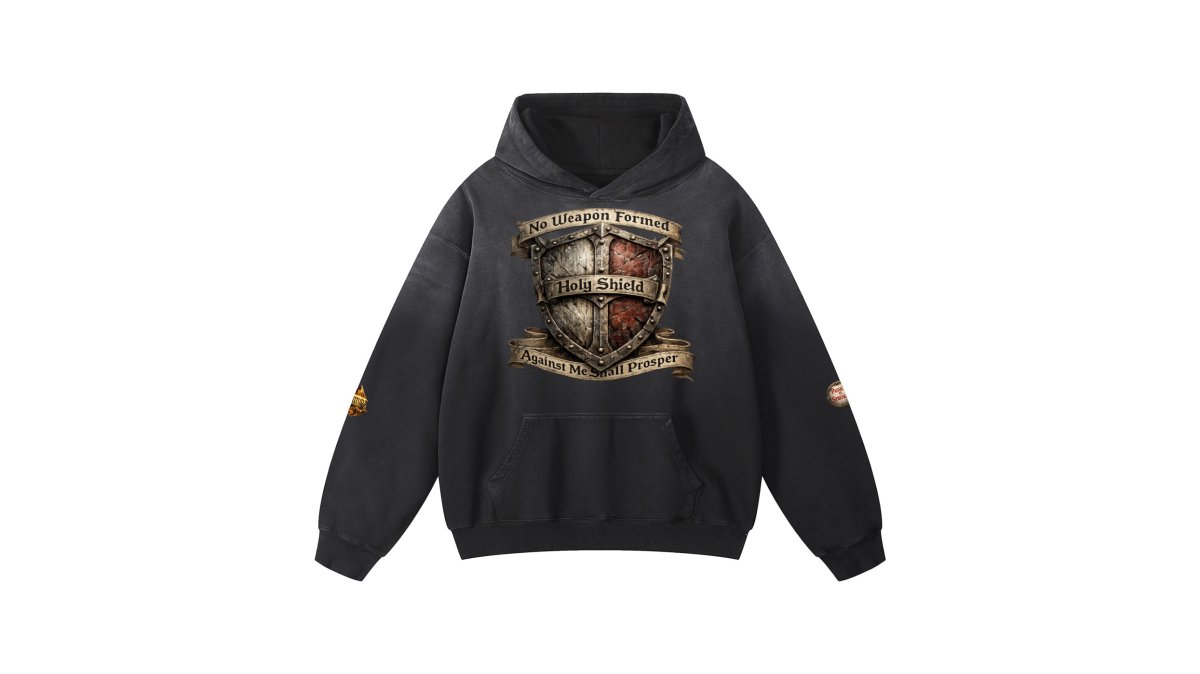
Pure cotton or high-cotton blends (85% minimum) outperform synthetics because cotton breathes, ages gracefully, and maintains softness. The "No Weapon Heavyweight Sunfade Oversized Hoodie" uses 100% cotton at 400 g/m², the baseline for genuine quality.

Stitching Integrity and Construction Details
Premium streetwear uses double-stitched seams at stress points (armholes, necklines, base). Look for consistent, tight stitching with no loose threads or gaps.
Quality hoods are reinforced with additional stitching and ribbed interiors. Poor construction shows loose hoods separating after months of wear.
Premium brands reinforce pockets with box-stitching or bar-tacks at corners. Fast fashion uses basic stitching that tears under normal use.
Premium pieces use durable printing that maintains clarity through repeated wear. Designs peeling or cracking after two washes signal poor construction.
Heavyweight Cotton Hoodies for Winter: The Durability Advantage
Heavyweight cotton hoodies deliver winter performance that lighter alternatives can't match. Construction quality determines whether warmth lasts years or one season.
Cotton maintains integrity through frequent washing, resists pilling, retains softness, and improves with age. A quality heavyweight hoodie feels better in year two than year one.
The "Purpose" Oversize Heavyweight Fleece Hoodie at 460 g/m² with 85% cotton and 15% polyester delivers warmth retention and stretch without the pilling of lower-quality fleece.

Winter demands frequent wear and washing. Premium construction with reinforced seams and substantial fabric survives multiple winters, not one season.
Owning a durable hoodie shifts the investment mentality. One premium piece lasting three to five years replaces three cheap hoodies, making cost-per-wear dramatically favorable.
“Purpose Driven” Heavyweight Hoodie →
Cost Per Wear Calculation for Clothing: The Real Math
The question of whether is premium streetwear worth the price comes down to cost per wear, simple math most people skip.
Divide purchase price by the number of wears before unwearable.
A $30 fast fashion hoodie worn 20 times costs $1.50 per wear. A $75 Attitudz Apparel hoodie worn 150 times costs $0.50 per wear, cheaper per use despite higher upfront cost.
A versatile neutral hoodie worn 2-3 times weekly for two years equals 200-300 wears, realistic for a well-fitting piece.
At 300 wears, a $75 hoodie costs $0.25 per wear. Fast fashion requires buying three hoodies over the same period, plus disposal and shopping costs.
| Garment Type | Initial Cost | Expected Wears | Cost Per Wear | Annual Cost (2x/week) |
|---|---|---|---|---|
| Fast Fashion Hoodie | $30 | 20 | $1.50 | $156 |
| Premium Hoodie | $75 | 200 | $0.38 | $39.50 |
| Ultra-Premium Hoodie | $98 | 300 | $0.33 | $26 |
Garment Longevity and the Investment Piece Mentality
Viewing premium streetwear as an investment piece changes how you approach purchasing and wearing. Instead of chasing trends, you buy pieces designed to remain relevant for years. Instead of accepting deterioration as inevitable, you expect garments to maintain quality through extended wear.
Longevity is not abstract, it's determined by specific material properties and construction choices. Premium cotton fabrics actually improve with age when cared for properly. Cotton fibers soften with repeated washing rather than becoming brittle, a property called "breaking in." A 400+ g/m² cotton hoodie worn for five years will feel softer and more comfortable than it did new, while synthetic blends tend toward stiffness or pilling. This aging curve is why premium pieces justify the investment: they don't degrade toward unwearability; they evolve toward greater comfort.
Fabric composition directly determines longevity potential. Pure cotton or high-cotton blends (85% minimum) resist pilling far better than polyester-dominant blends. Pilling occurs when short fibers work loose from the yarn structure during washing and friction. Premium construction uses longer-staple cotton fibers that resist this process. A 100% cotton heavyweight hoodie may show minimal pilling after 100 washes; a 50% cotton blend will show significant pilling by wash 30. This is measurable, testable, and directly impacts whether a piece remains wearable.
Care practices extend longevity by preventing the mechanical and chemical damage that degrades fabrics. Washing at 30°C (86°F) instead of 60°C reduces fiber stress and dye bleeding. Gentle cycle washing (rather than normal or heavy) prevents seam strain and fabric abrasion. Tumble drying on low heat or air-drying prevents the heat damage that causes shrinkage and fiber brittleness. These aren't suggestions, they're the difference between a hoodie that lasts five years and one that deteriorates in two. Premium pieces are engineered to withstand proper care indefinitely; fast fashion pieces degrade regardless of care because the base materials are inherently fragile.
The investment mentality also means you're more likely to repair rather than discard. A small seam repair on a $75 hoodie makes economic sense. That same repair on a $30 piece feels pointless. Quality pieces justify maintenance investment because the base garment is worth preserving. A reinforced seam repair costs $15-25 and extends the life of a premium piece by another year or two. On a fast fashion piece, that repair cost approaches the original purchase price, making replacement the rational choice.
Brand consistency plays a role in longevity too. Premium brands that maintain the same fit, construction standards, and design language across seasons allow you to build a cohesive wardrobe where pieces remain relevant together. A hoodie purchased in 2024 will coordinate with pieces purchased in 2026 because the brand's silhouette and aesthetic haven't chased trends. This consistency means you'll actually wear older pieces because they still fit your current style, rather than relegating them to storage as fashion moves on.
The resale market also signals longevity. Pieces that hold 40-60% of their value after two years of wear are pieces that buyers expect to wear for another two years. That confidence in durability is only rational if the garment actually lasts. Fast fashion pieces that sell for 5-10% of original value on resale are pieces buyers expect to wear briefly before disposal. The market price reflects real durability expectations.
Resale Value and Sustainable Consumption
Premium streetwear holds resale value in ways fast fashion never will, creating a financial recovery mechanism that fundamentally changes the economics of the purchase. A worn Attitudz Apparel hoodie in good condition retains value better than fast fashion. That same fast fashion piece is essentially worthless after one season.
This resale value creates a financial safety net that reframes the entire investment. If you buy a $75 premium hoodie, wear it for two years, then decide you want something different, you can sell it for $30-45. Your actual cost drops to $30-45 for two years of regular wear. Fast fashion offers no such recovery. The math shifts dramatically: a $75 premium piece worn twice weekly for two years (roughly 200 wears) costs $0.19 per wear after accounting for resale.
Frequently Asked Questions
Is $70 too much for a premium streetwear hoodie?
It depends on fabric weight, construction quality, and how often you'll wear it. A 400+ g/m² heavyweight cotton hoodie worn 100+ times per year costs less than $1 per wear. Premium streetwear hoodies at this price point typically feature superior stitching, natural fiber blends, and durability that outlasts three to five fast-fashion alternatives. Calculate your cost per wear: divide the price by estimated annual wears. Most quality pieces justify their cost over 2-3 years of regular use.
What's the difference between a heavyweight cotton hoodie and a standard blend?
Heavyweight cotton hoodies for winter typically weigh 400-460 g/m² (11.8-13.6 oz/yd²), compared to 200-300 g/m² for standard blends. Higher fabric weight means thicker material, better insulation, improved shape retention, and longer garment longevity. Pure cotton or high-cotton blends (85% cotton or higher) breathe better and age better than polyester-heavy blends. The trade-off: heavyweight pieces take longer to dry and require careful care, but they resist pilling and fading far better over time.
How do I know if streetwear has poor craftsmanship?
Look for loose or uneven stitching, particularly around seams and hood attachment points. Check for fraying edges, misaligned prints, and inconsistent fabric texture. Poor quality control shows in dropped stitches, puckered seams, or visible knots inside the garment. Flip the piece inside-out: quality construction features clean, reinforced seams, proper thread tension, and finished edges. Read care instructions carefully, if they're vague or missing, that's a red flag. Premium pieces include detailed washing guidance and material breakdowns.
Can I really make premium streetwear a sustainable investment?
Yes, if you choose pieces with timeless designs, neutral colorways, and versatile styling. Premium streetwear with strong brand equity holds resale value better than fast fashion. To maximize investment value, buy statement pieces that work with multiple outfits, maintain garments properly (gentle washing, air-drying), and avoid trend-dependent designs. Faith-inspired apparel with meaningful messaging tends to hold value longer because it serves as a wardrobe staple rather than a temporary trend.