

Table of Contents
- What Spiritual Clothing That Is Not Religious Actually Means
- Minimalist Faith Inspired Fashion Tips for Everyday Wear
- How to Style Spiritual Apparel for Different Environments
- What to Look for in Conscious Streetwear Brands
- Symbolism Guide: Non-Religious Icons and Sacred Geometry
- The History of Spiritual Fashion and the Rise of Conscious Consumerism
- Conclusion: Wearing Your Values Without the Billboard Effect
- Frequently Asked Questions
Last Updated: September 30, 2026
What Spiritual Clothing That Is Not Religious Actually Means
Spiritual clothing that is not religious is apparel carrying symbolic or values-driven meaning without tying the wearer to a specific organized faith. This guide from Attitudz Apparel covers how to spot the difference, style it well, and buy it without getting burned. The category is one of the fastest-growing corners of conscious fashion, driven by younger buyers who want their wardrobe to say something without reciting a creed.
Religious vs. Spiritual Aesthetics: The Key Differences
The clearest dividing line is audience. Religious apparel speaks to a community that already shares your framework. Spiritual apparel speaks to anyone, which is why it works in more settings.
Three practical differences:
- Specificity. Religious iconography names a figure or doctrine. Spiritual iconography suggests a concept.
- Obligation. Religious messaging often implies a practice or commitment. Spiritual messaging implies a disposition.
- Wearability. A verse reference reads as a statement. A geometric symbol reads as a design choice.
Minimalist Faith Inspired Fashion Tips for Everyday Wear
Minimalist faith inspired fashion works best when the message is felt before it's read: start with a neutral base, add one meaningful piece, and stop there.
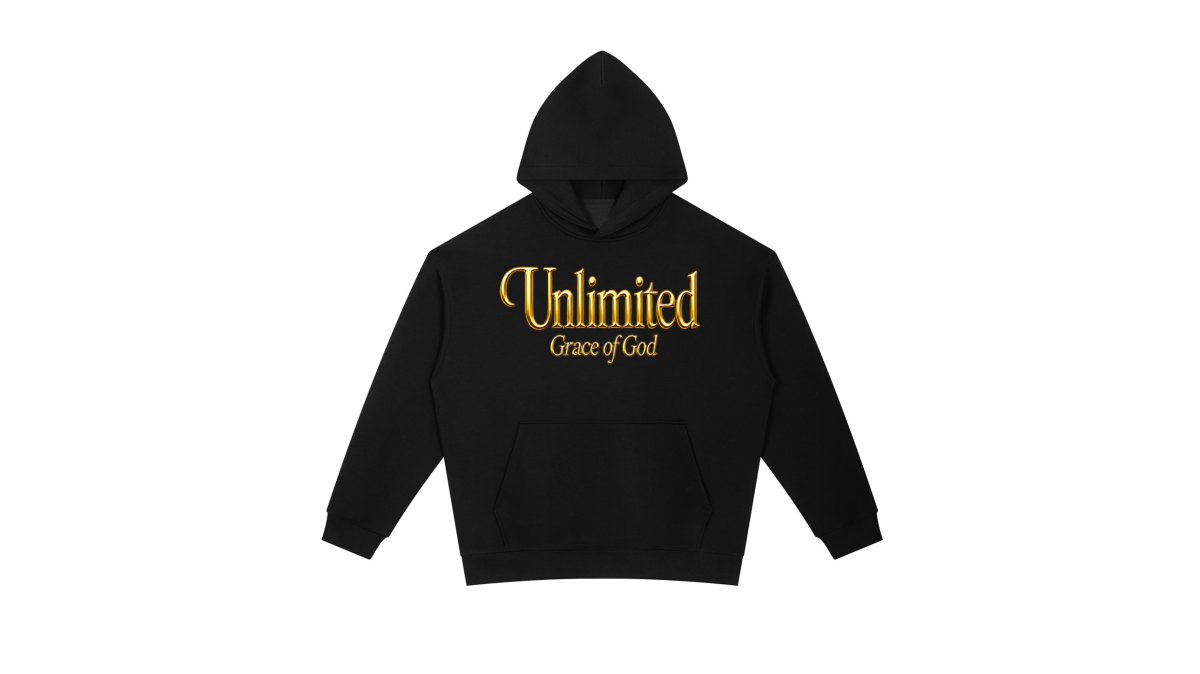
Here's what that looks like in practice:

- Choose a neutral palette: black, bone, olive, heather grey
- Limit yourself to one symbolic piece per outfit
- Let fit do the talking: relaxed, not sloppy
- Skip competing graphics, logos, and loud prints
- Repeat the same three or four pieces weekly
Building a Capsule Wardrobe Around Symbolic Pieces
A capsule wardrobe built on symbolic pieces usually lands between eight and twelve items, for fewer decisions and more consistency.
Build it in this order:
- Two neutral bottoms you actually wear
- Three plain base layers
- Two symbolic statement pieces
- One outer layer
- One accessory that echoes your message
How to Style Spiritual Apparel for Different Environments
Styling spiritual apparel for different environments comes down to three variables: volume, visibility, and contrast. The same symbolic piece can read as casual, professional, or meditative depending on what surrounds it.
Casual and Everyday
Let the piece lead. An oversized heavyweight hoodie with a single symbolic graphic works over straight-leg jeans or joggers, keep the rest plain so the symbol is the only focal point.
- Formula: one symbolic piece + neutral bottoms + plain sneakers
- Avoid: a graphic tee under a graphic hoodie, two messages cancel each other out
- Fabric note: a heavyweight fleece holds its shape through repeated wear, so the silhouette stays intentional instead of collapsing into loungewear
Workplace With a Relaxed Dress Code
Layer so only part of the design shows: wear the symbolic piece under an open overshirt, chore coat, or unstructured blazer. A chest or sleeve mark peeking out reads as a personal detail, not a statement.
- Formula: symbolic base layer + structured outer layer + tailored or dark-wash bottoms
- Contrast rule: if the outer layer is dark, let the symbolic piece be lighter, and vice versa
- What to skip: back-panel graphics in a professional setting, they only show when you turn away, which makes the message feel accidental
Meditative and Studio Settings
Yoga, meditation, and breathwork settings reward tonal dressing. Match the symbolic piece to the rest of the outfit in color and let the message sit quietly. Soft, breathable fabrics matter more here than structure.
- Formula: tonal base + tonal bottom + one symbolic accent
- Palette: bone, heather grey, muted olive, washed black
- Fit: relaxed but not oversized, you want full range of motion without fabric bunching
Evening and Social Gatherings
Go tonal or monochrome. A single symbolic piece in the same color family as everything else reads as considered rather than loud, and a heavyweight hoodie can substitute for a jacket if the cut is clean.
The Cross-Environment Rules
Three rules hold across every setting:
- One symbolic piece per outfit. Two competing symbols dilute both.
- Match formality to the room, not the message. The symbol is the only unusual element; everything else should look like it belongs.
- Check the fabric weight before you commit. A lightweight tee reads casual no matter how you layer it; a 350-400 g/m² fleece reads intentional in almost any setting.
The mistake most people make is treating symbolic clothing as formalwear. It's everyday wear with a point of view, and the point lands harder when the rest of the outfit stays quiet.
“I Think. Therefore I Am Great.” Hoodie →
What to Look for in Conscious Streetwear Brands
Conscious streetwear brands earn the label through sourcing, labor practices, and pricing transparency, not marketing language. Ask three questions before you buy.
Material Sourcing, Ethical Labor, and Pricing
Pricing in this category tracks fabric weight and construction more than brand name. Here's how the trade-offs break down:
| What You're Paying For | Typical Price Signal | What It Means in Practice |
|---|---|---|
| Standard cotton tee or light hoodie | Lowest tier | Thinner fabric, faster wear, lighter drape |
| Mid-weight fleece | Mid tier | Better structure, holds shape longer |
| Heavyweight fleece (350 g/m² and up) | Higher tier | Dense handfeel, minimal shrinkage, years of wear |
| Sourced and documented materials | Higher tier | Traceable fabric, disclosed composition |
Symbolism Guide: Non-Religious Icons and Sacred Geometry
Non-religious spiritual symbols fall into three groups: geometric forms, natural motifs, and abstract marks. Each carries meaning without naming a doctrine.
| Symbol Type | Common Meaning | Reads As |
|---|---|---|
| Circle or ring | Wholeness, continuity | Minimal, universal |
| Spiral | Growth, inner journey | Organic, subtle |
| Lotus or leaf | Resilience, renewal | Natural, calm |
| Mountain line | Steadiness, grounding | Outdoorsy, clean |
| Abstract line work | Self-expression | Modern, design-led |
The History of Spiritual Fashion and the Rise of Conscious Consumerism
Spiritual fashion's roots run through twentieth-century counterculture, where loose silhouettes and natural fibers signaled a break from convention. What changed is the intent. Earlier movements rejected the mainstream. Today's version integrates into it, and the supply chain behind it has become part of the message.
From Counterculture to Wellness Aisle
The throughline is fabric. Hand-loomed cotton, hemp, and undyed wool carried the 1960s and 1970s version of this aesthetic. The modern version keeps the natural-fiber preference but adds documentation: fiber origin, mill name, and labor standards. The visual language is similar; the accountability is new.
What the Supply Chain Actually Looks Like
Most competitors stop at the word "sustainable." The useful version breaks the supply chain into four checkpoints you can ask any brand about:
| Checkpoint | What to Ask | What a Good Answer Sounds Like |
|---|---|---|
| Fiber | Is the cotton organic or conventional? Is it recycled? | Named fiber type with a certification reference |
| Mill | Where is the fabric knit or woven? | A specific region or named mill |
| Cut and sew | Where is the garment assembled? | A disclosed facility or country |
| Labor | How are workers paid and audited? | A named standard or audit program |
How to Read a Brand's Claims
Three patterns separate substance from slogans:
- Specifics over adjectives. "Heavyweight cotton blend" beats "premium fabric" every time.
- Durability over novelty. Heavier fabric and slower release cycles reduce how often you replace a garment, which is the most direct environmental lever a buyer controls.
Why This Matters for Spiritual Apparel Specifically
The SBNR buyer is unusually sensitive to this. A garment that signals mindfulness while hiding an opaque supply chain creates a values mismatch the wearer can feel, which is why the category now competes on substance: fabric weight, care instructions, and durability. The overlap with wellness culture, meditation wear, yoga lifestyle pieces, grounding-focused designs, borrows the same visual language, which is fine as long as the garment holds up as clothing first and the sourcing holds up as a claim second.
USDA organic certification standards overview
Conclusion: Wearing Your Values Without the Billboard Effect
The hardest part of spiritual clothing is restraint. Over-messaging turns a values-driven wardrobe into a walking advertisement you didn't sign up for.
Frequently Asked Questions
What defines spiritual clothing versus religious clothing?
Spiritual clothing focuses on personal values, mindfulness, and inner peace rather than specific doctrine or institutional affiliation. Religious clothing typically carries explicit symbols, texts, or garments tied to a particular faith tradition. Spiritual clothing that is not religious uses abstract symbols, sacred geometry, or minimal text to express intentional living and self-expression. It can be worn by anyone, regardless of belief system, and often serves as a conversation starter about values rather than a declaration of membership.
How can I express my spirituality through my personal style?
Start with pieces that reflect your values without shouting them. Use symbolic expression like sacred geometry or nature motifs. Layer minimalist faith inspired fashion with your existing wardrobe. A heavyweight hoodie with a subtle message can work for daily wear. Let your clothing reflect your authentic self and spiritual practice quietly.
Are there brands that focus on mindfulness rather than religious doctrine?
Yes. Many conscious streetwear brands now design around holistic living, self-care, and ethical fashion rather than specific religious teachings. Attitudz Apparel, for example, offers unisex oversized hoodies and fleece pullovers with purpose-driven messaging that works for spiritual but not religious young adults.
Can streetwear be considered spiritual clothing?
Absolutely. Streetwear can carry spiritual meaning through its design, materials, and the intention behind wearing it. Oversized hoodies, heavyweight tees, and fleece pullovers often feature symbolic expression, grounding messages, or minimalist aesthetics that align with holistic wellness. The key is the wearer's intent and the brand's values. When a piece is designed for self-expression, it becomes part of a conscious wardrobe that supports your spiritual journey.