

Table of Contents
- Why Buy Premium Oversized Streetwear Online in 2026
- Quick Comparison: Top Picks at a Glance
- Heavyweight Cotton Hoodies for Winter: What to Look For
- Premium Streetwear Fabric Quality Guide: GSM, Cotton, and Blends
- How to Style Oversized Streetwear for Everyday Wear
- Sizing and Fit Guide for Oversized Garments
- Sustainable and Ethical Streetwear: What to Check Before You Buy
- Conclusion
- Frequently Asked Questions
Last Updated: September 13, 2026
Why Buy Premium Oversized Streetwear Online in 2026
Buying premium oversized streetwear online is now the default for anyone who wants heavyweight cotton without the guesswork of a mall run. This guide from Attitudz Apparel breaks down what separates a real premium piece from a fast-fashion copy: fabric weight, cut, and sourcing.
Fast fashion thins the fabric and skips the wash treatments that give a garment its shape. Premium apparel spends more on grams per square meter, drop shoulder construction, and cut-and-sew detailing that holds up after twenty washes instead of two.
That difference matters most when you cannot touch the fabric first. Below: the hoodies worth buying for winter, how to read a fabric spec sheet, styling for an oversized fit, and the sizing math that prevents a bad order.
Quick Comparison: Top Picks at a Glance
The strongest picks pair heavyweight fabric with a true oversized cut, and Attitudz Apparel sits at the top of that list. Every piece below is unisex, and the brand ships free on all U.S. orders.
| Product | Fabric Weight | Material | Price | Best For |
|---|---|---|---|---|
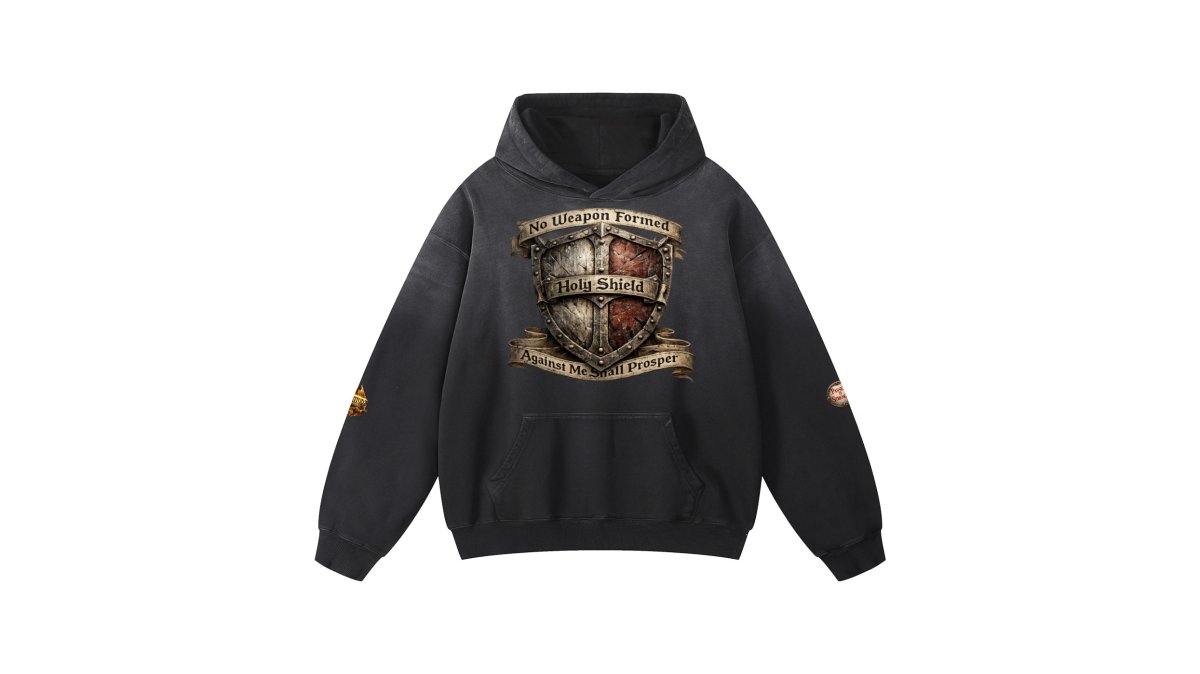
| No Weapon Heavyweight Sunfade Oversized Hoodie | 400 g/m² | 100% cotton | $73.90 | Cold-weather layering |
| "Purpose" Oversize Heavyweight Fleece Hoodie | 460 g/m² | 85% cotton, 15% polyester | $74.95 | Heaviest winter warmth |
| "Purpose" Oversize Heavyweight Fleece Hoodie (alt) | 460 g/m² | 85% cotton, 15% polyester | $59.70 | Same build, lower price |
| "Built Different" Oversize Fleeced Hoodie | 350 g/m² | Cotton blend | $74.95 | Street styling |
| Guided by Faith - Unisex Oversized Hoodie | 340 g/m² | 100% cotton | $47.94 | Everyday staple |
| Resist Mentality - Unisex Oversized Tee | 300 g/m² | 100% cotton | $25.94 | Warm-weather base layer |
| Trust God Rhinestone Camo Zip Hoodie | Heavyweight | Cotton blend | $98.00 | Statement piece |
| "The Tongue Cuts Deeper" Hoodie | Midweight | Cotton blend | $44.99 | Bold graphic wear |
| "I Think. Therefore I Am Great." Hoodie | Midweight | Cotton blend | $44.99 | Mindset messaging |
| "I Am Who I Think I Am" Hoodie | Midweight | Cotton blend | $44.99 | Identity-driven design |
Heavyweight Cotton Hoodies for Winter: What to Look For
Heavyweight cotton hoodies for winter start at roughly 400 g/m². Below that threshold, wind cuts straight through and you end up layering three shirts to compensate. The Textile Exchange material production guidance notes that fabric weight and fiber composition drive both warmth and longevity, which is why the spec sheet matters more than the product photo.

Here is what to check before you buy:
- Fabric weight: 400 g/m² and up for genuine winter wear
- Fiber content: 100% cotton breathes; blends add structure and reduce shrinkage
- Shoulder construction: drop shoulder allows layering without pulling
- Wash treatment: pre-washed or garment-dyed pieces hold their size
The No Weapon Heavyweight Sunfade Oversized Hoodie hits 400 g/m² in pure cotton with a drop shoulder cut, which is why it works as a standalone layer down to freezing. The "Purpose" Oversize Heavyweight Fleece Hoodie goes further at 460 g/m², a cotton-poly blend that resists pilling through repeated washing.

Premium Streetwear Fabric Quality Guide: GSM, Cotton, and Blends
A premium streetwear fabric quality guide comes down to one number: GSM, or grams per square meter. It measures how much fabric sits in a square meter and is the most reliable predictor of how a garment will feel, drape, and last.
Most fast-fashion tees sit between 140 and 180 GSM. Premium blanks start around 200 and climb past 400. As documented in Cotton Incorporated's fabric weight reference, heavier knits resist stretching at the neckline and hold their silhouette longer.
Here is how the tiers break down:
| GSM Range | Category | Typical Use |
|---|---|---|
| 140-180 | Lightweight | Fast-fashion tees |
| 200-280 | Midweight | Everyday basics |
| 300-380 | Heavyweight | Premium tees, light hoodies |
| 400-500 | Ultra-heavyweight | Winter hoodies, fleece |
Cotton versus blends is the second decision. Pure cotton breathes better and takes dye with more depth; polyester blends add durability and reduce shrinking, which matters for oversized cuts where a half-inch of shrinkage changes the silhouette.
How to Style Oversized Streetwear for Everyday Wear
Styling oversized streetwear works when you manage proportion on purpose: for every oversized piece, keep one fitted anchor and one tapered edge. Skip both and the outfit reads as borrowed; use both and the same hoodie reads as intentional.
An oversized hoodie typically adds 2 to 4 inches of chest ease and drops the shoulder seam 1 to 3 inches past your natural shoulder. That volume has to go somewhere, so the bottom half must taper or echo it deliberately.

Three proportion formulas that hold up
- 1 oversized + 1 fitted + 1 tapered: Oversized hoodie, fitted tee underneath, straight-leg or slim-taper denim. The fitted tee shows at the collar and hem, which frames the volume above it.
- 1 oversized + 1 oversized, matched in weight: Oversized hoodie over wide-leg or baggy bottoms only works when both pieces share a similar fabric weight. A 400 g/m² fleece over a 6 oz denim reads balanced; the same hoodie over a lightweight chino reads top-heavy.
- 1 oversized statement + 2 neutral anchors: One graphic or textured piece, everything else in a single neutral family. This is the safest formula for a first oversized purchase.
Layering mechanics that actually work
Layering under an oversized top fails when the under-layer adds bulk at the same points as the outer layer. Two fixes:
- Choose a thinner under-layer than the outer piece. A 300 g/m² tee under a 400 g/m² hoodie adds warmth without adding silhouette. A 400 g/m² tee under the same hoodie doubles the bulk at the chest.
- Stagger the hems. Let the under-layer hem sit 1 to 2 inches below the hoodie hem, or tuck it fully. Hems that land within half an inch of each other create a visual band that flattens the whole look.
Footwear and hem interaction
Hem length and shoe height are linked. A hoodie ending at the hip bone pairs with a low-profile sneaker; a longer hoodie covering the seat needs a chunkier sole or boot so the silhouette doesn't read as a dress. This is the most common reason an oversized outfit looks off in photos but fine in the mirror.
Seasonal adjustments
- Cold weather: Layer a heavyweight hoodie (400 g/m² and up) over a midweight tee, add a straight-leg pant, and finish with a boot or high-top. The heavier fabric holds the shape so the volume stays structured.
- Warm weather: Swap the hoodie for an oversized heavyweight tee (300 g/m² and up) with a tapered short or straight-leg chino. Lightweight oversized tees drape instead of holding shape, so the taper below matters more, not less.
Common mistakes to avoid
- Sizing up on an already-oversized cut, which turns a boxy fit into a tent
- Pairing an oversized top with a slim-fit bottom in a very light fabric, which exaggerates the top's weight visually
- Wearing two heavyweight oversized pieces in different color families, which splits the eye and kills the silhouette
- Ignoring shoulder seam placement, the biggest driver of whether an oversized piece reads as designed or as the wrong size
Sizing and Fit Guide for Oversized Garments
The oversized fit guide rule is straightforward: measure a garment you already own that fits the way you want, then match those numbers to the size chart. Do not size up just because the listing says "oversized." The cut already accounts for extra room.
Here is how to read a chart correctly:
- Lay your best-fitting hoodie flat and measure chest, length, and shoulder seam to seam
- Compare those numbers to the chart, not to your body measurements
- Check shoulder width first, since drop shoulder changes how a piece hangs
- Allow for a small shrink margin on 100% cotton pieces
The "Purpose" Oversize Heavyweight Fleece Hoodie runs from XS to 4XL, with chest measurements from 58 cm to 77 cm. That range covers big and tall sizing that most streetwear drops skip entirely.
Sustainable and Ethical Streetwear: What to Check Before You Buy
Sustainable and ethical streetwear comes down to what you can verify, not what the label claims. The Federal Trade Commission's Green Guides set the standard for environmental marketing claims in the United States, which means vague terms like "eco-friendly" or "planet-positive" carry little weight without specifics. A premium brand should be able to answer three questions in writing: where the fiber came from, how the fabric was finished, and how the garment should be cared for so it lasts.
Fiber choices and their real trade-offs
No fiber is universally better. Each trades off something, and the right pick depends on how you wear the piece.
- Organic cotton: Grown without synthetic pesticides and tracked through a certified supply chain. Breathes well, takes dye with depth, and holds up to repeated washing. Downsides: water intensity at the growing stage and a higher price per yard.
- Recycled cotton: Made from pre- or post-consumer cotton waste. Reduces demand for new fiber and feels slightly softer. The trade-off is shorter staple length, which can mean faster pilling in high-friction areas like underarms.
- Recycled polyester: Diverts plastic from landfills and adds durability and shape retention to blends. The trade-off: it is still plastic, so it sheds microfibers in the wash and does not biodegrade.
- Hemp and linen blends: Lower water and pesticide needs at the growing stage, strong fiber, distinctive texture. The trade-off is a rougher hand at first and less stretch, which matters in oversized cuts that rely on drape.
Certifications worth looking for
Certifications convert a marketing claim into a checkable fact. The most common in apparel:
- Global Organic Textile Standard (GOTS): Covers organic fiber content plus environmental and social criteria across the supply chain.
- OEKO-TEX Standard 100: Tests finished textiles for harmful substances. Useful for anything worn against the skin.
- GRS (Global Recycled Standard): Verifies recycled content and tracks it through production.
- Fair Trade Certified: Focuses on worker conditions and premiums paid to factories.
A brand does not need all four. A brand that names at least one and links to the certificate is doing more than most.
Dye and finish: where the water goes
Dyeing is often the most resource-intensive step in a garment's life. Two methods worth knowing:
- Garment dyeing: The piece is cut and sewn first, then dyed. Produces the washed, slightly uneven color that defines a lot of premium streetwear. Uses more water per unit but allows smaller batch runs, reducing deadstock.
- Low-impact reactive dyeing: Uses dyes with higher absorption rates, so less dye and water reach the target color. Common in organic cotton supply chains.
Care as a sustainability lever
The biggest environmental decision a buyer makes is how long they keep the piece. Extending a hoodie's life from two years to five cuts its annual footprint roughly in half, because the production stage is already paid for.
What to look for on the care label:
- Wash temperature: Cold (30°C / 86°F or below) preserves both the fiber and the dye.
- Drying method: Air-dry whenever possible. Tumble drying is the highest-energy step in home laundry and the fastest way to shrink a 100% cotton oversized piece out of its silhouette.
- Ironing guidance: Low heat, inside out, never directly on a print or rhinestone application.
- Repair guidance: A brand that publishes repair or re-wear instructions expects the piece to outlive the trend cycle.
How to read a sustainability claim in 60 seconds
- Look for a named certification, not a slogan.
- Check whether the fiber origin is stated with a percentage, not just a word.
- Confirm the care instructions are published on the product page, not buried in a footer.
- Treat any claim without a verifiable source as marketing.
Attitudz Apparel publishes full care instructions on every product page, including wash temperature, drying method, and ironing guidance. That transparency is a practical signal: a brand that tells you how to keep a hoodie alive expects you to keep it.
Conclusion
The gap between premium apparel and fast fashion shows up in the spec sheet long before your closet. Fabric weight, shoulder construction, and wash treatment decide whether an oversized piece lasts three seasons or three washes.
Attitudz Apparel builds around exactly those specs: heavyweight fleece and cotton hoodies, unisex oversized fits, purpose-driven messaging, and free shipping on all U.S. orders. Every piece ships with published care instructions so the fit you order is the fit you keep.
Get started with Attitudz Apparel and wear your values in a hoodie built to hold its shape.
Frequently Asked Questions
What defines premium quality in oversized streetwear?
Premium oversized streetwear is defined by fabric weight, construction, and fit consistency. Look for heavyweight cotton in the 10 to 14 oz/yd² range, which holds its shape and resists pilling. Drop shoulders and boxy silhouettes should be intentional, not just oversized. Check the size chart for exact measurements rather than relying on model photos. Brands like Attitudz Apparel list fabric weight and garment measurements so you know what you are getting before you buy premium oversized streetwear online.
How should premium oversized hoodies fit?
A premium oversized hoodie should feel roomy through the chest and shoulders without swallowing your frame. The shoulder seam typically drops 2 to 4 inches past your natural shoulder line, and the hem hits below the waist. Sleeves should end at or slightly past your wrist. If the hoodie feels stiff or restricts movement, it is likely cut too small or made from low-quality fabric. Always compare your own measurements to the brand's size chart before ordering.
Is heavyweight cotton better for streetwear durability?
Yes, heavyweight cotton generally lasts longer because the denser weave resists stretching, pilling, and thinning after repeated washes. A 400 g/m² (11.8 oz/yd²) hoodie holds its shape better than a lightweight 250 g/m² option. Heavier fabrics also drape more cleanly, which matters for the boxy silhouette that defines premium streetwear. That said, a cotton-poly blend can add stretch and reduce shrinkage if you prefer a softer hand feel.
How can I tell if an online streetwear brand is high quality?
Check three things before you buy: whether the brand lists exact fabric weight and composition, whether it publishes a detailed size chart with garment measurements, and whether it offers a clear return policy. Brands that hide fabric specs or use vague terms like 'premium cotton' without numbers are harder to trust. Also look for care instructions, because a brand that tells you how to wash a garment without ruining it cares about how long it lasts.